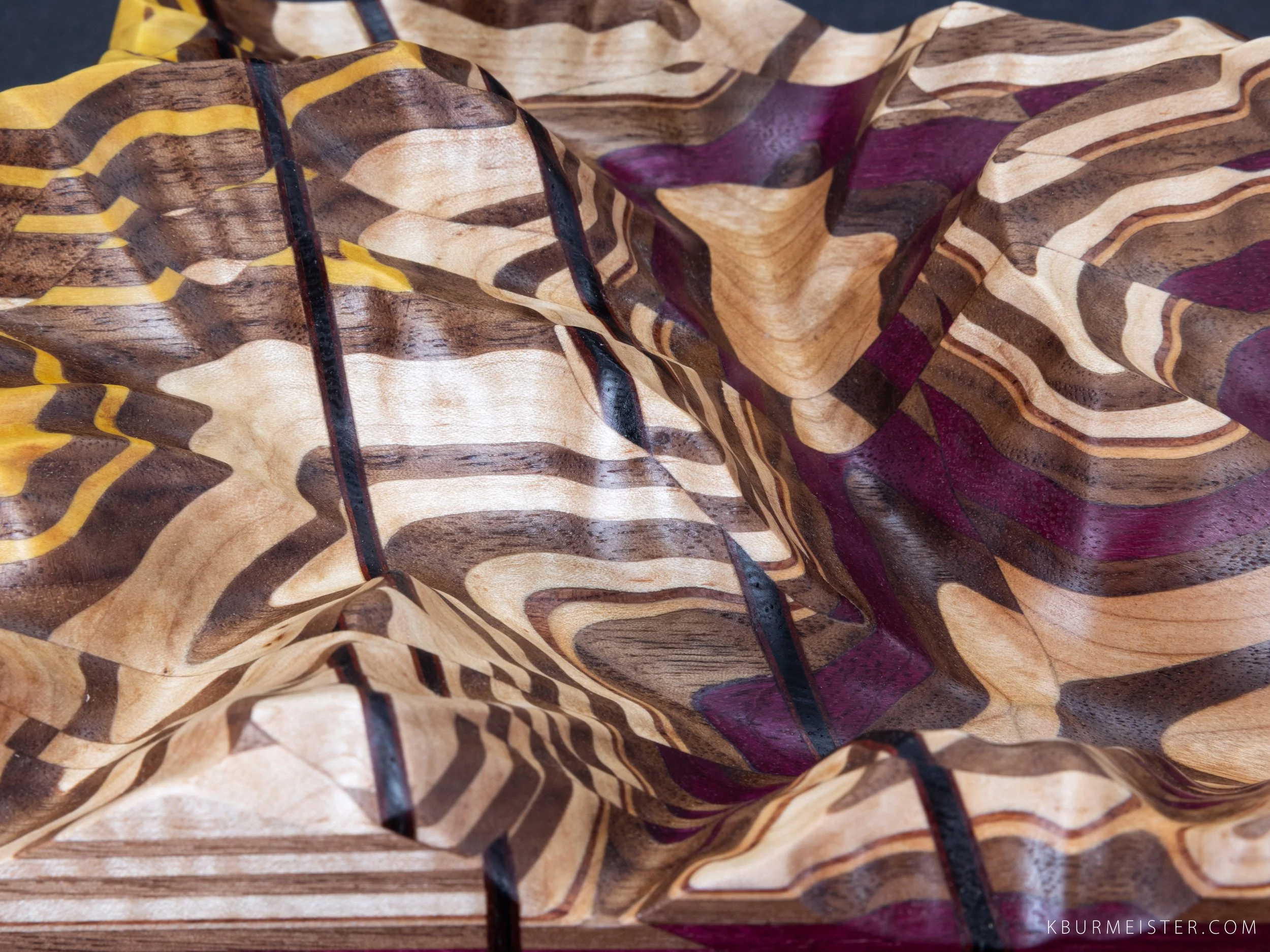
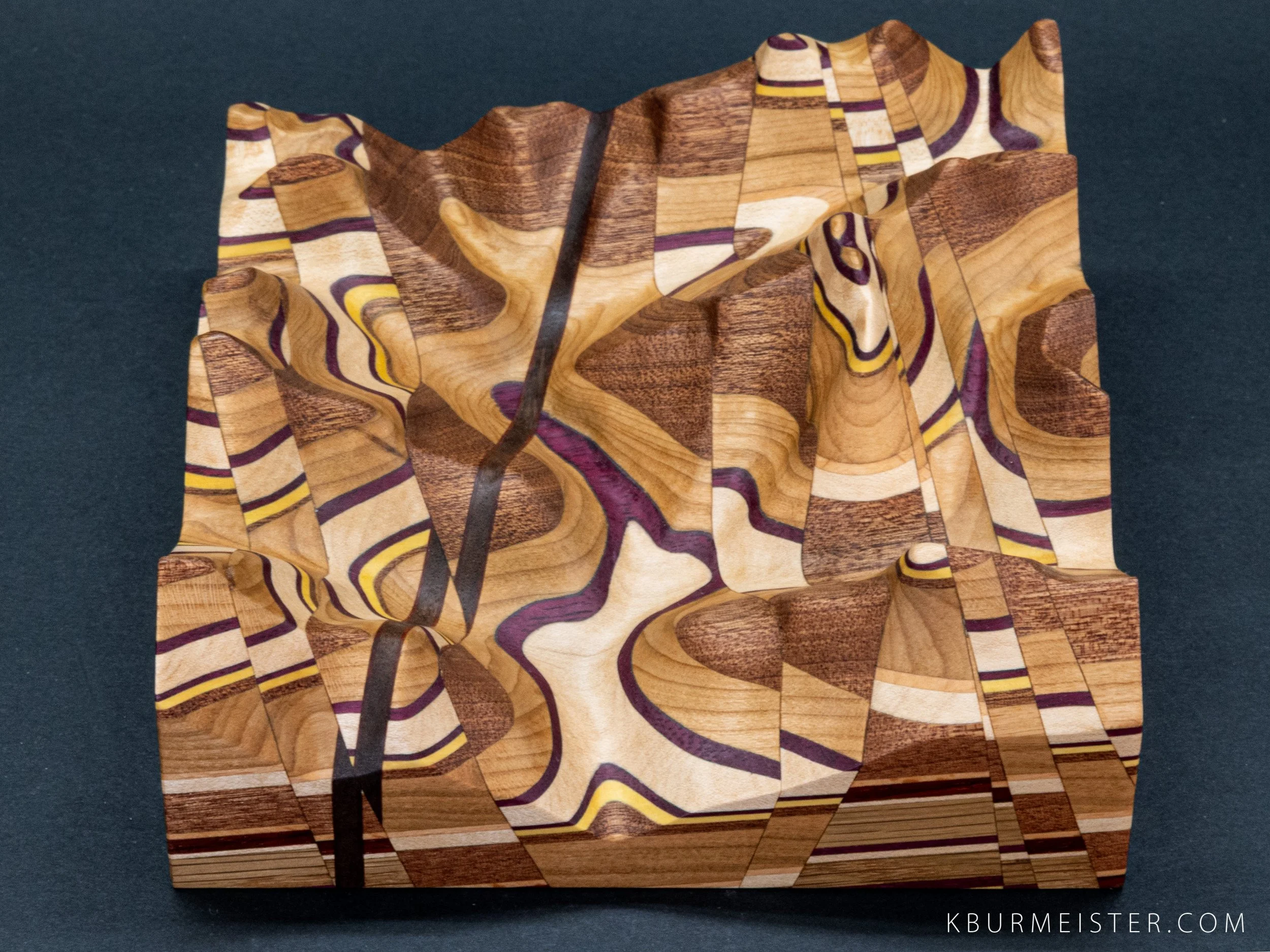
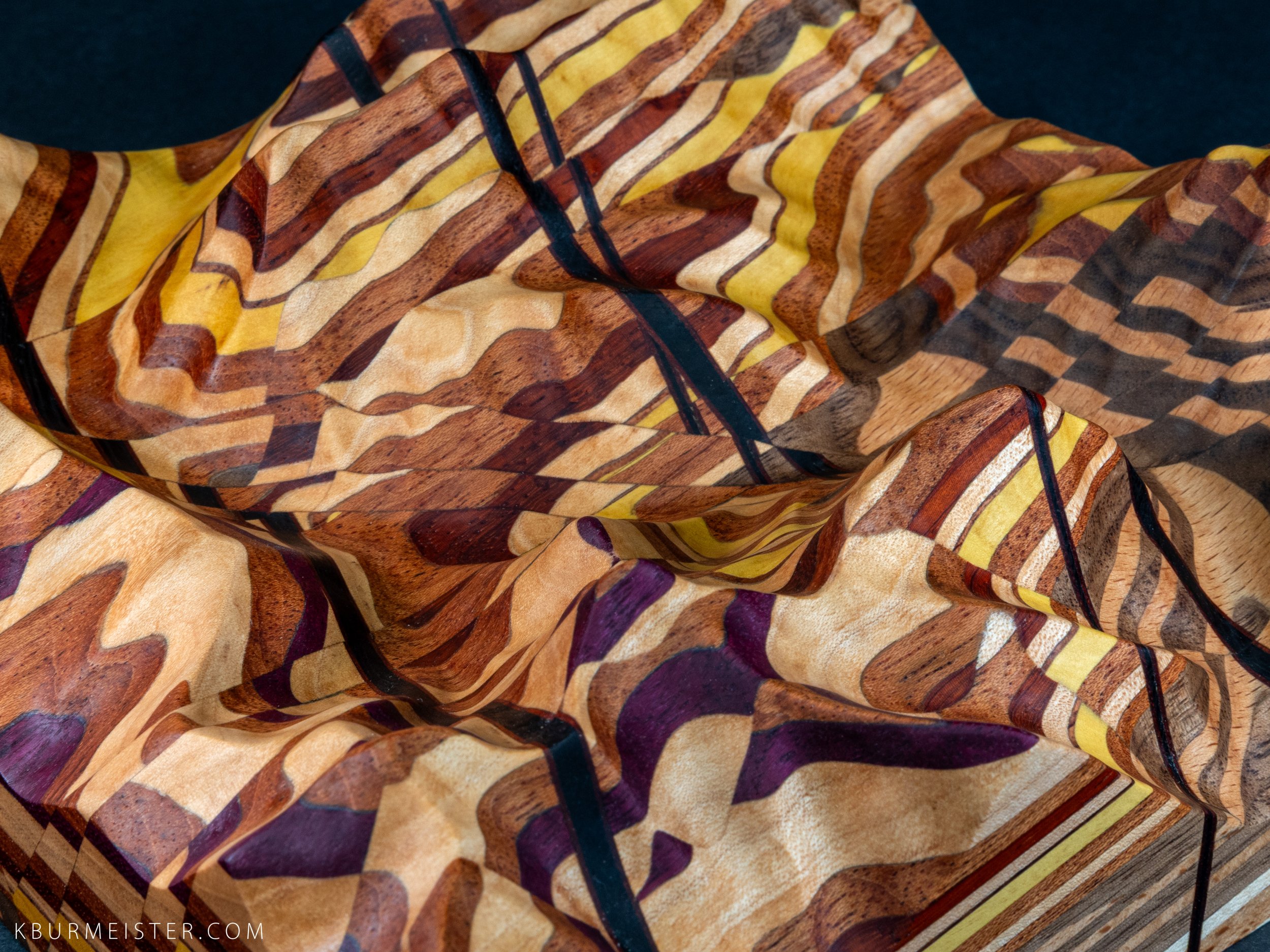
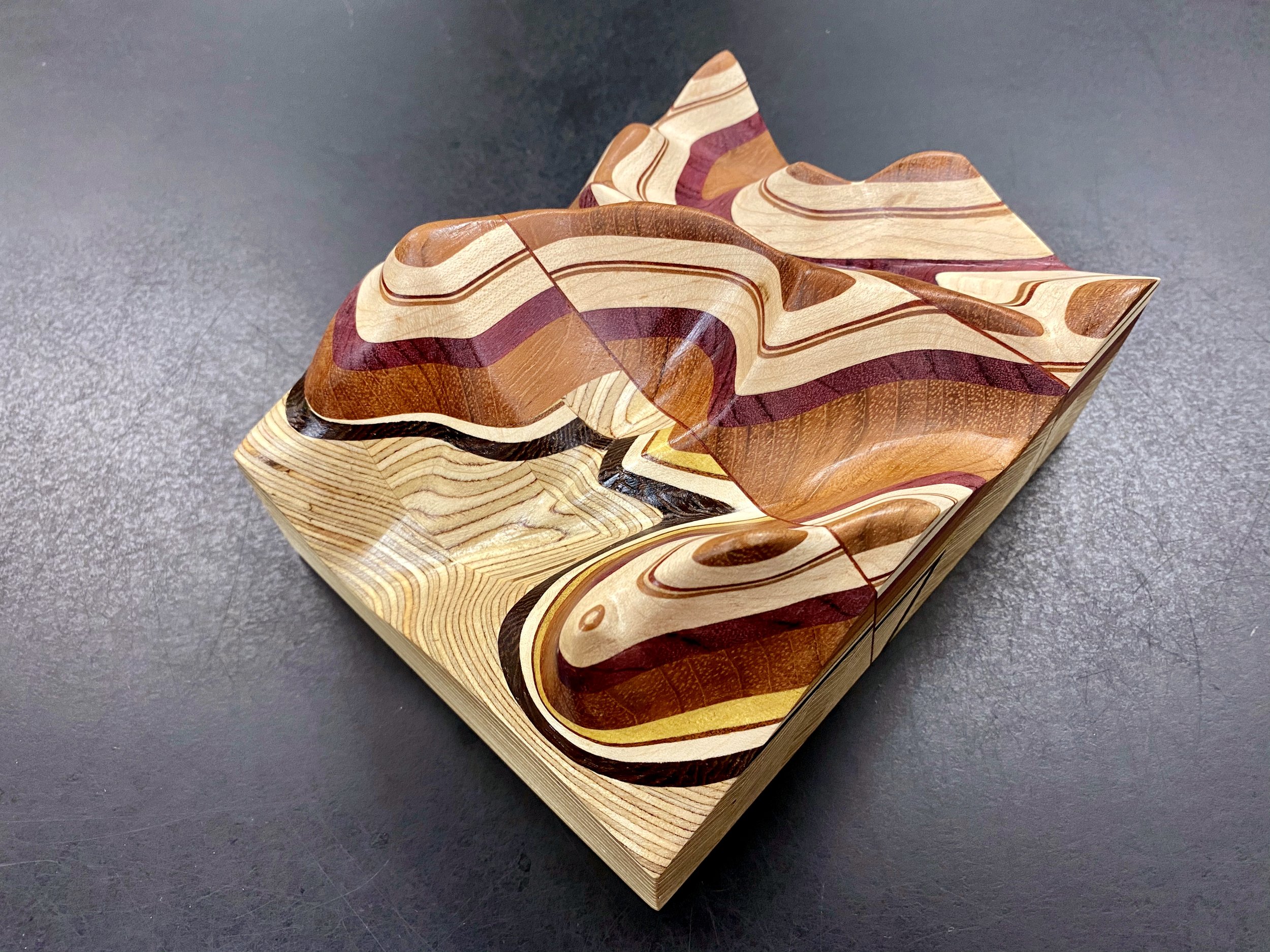
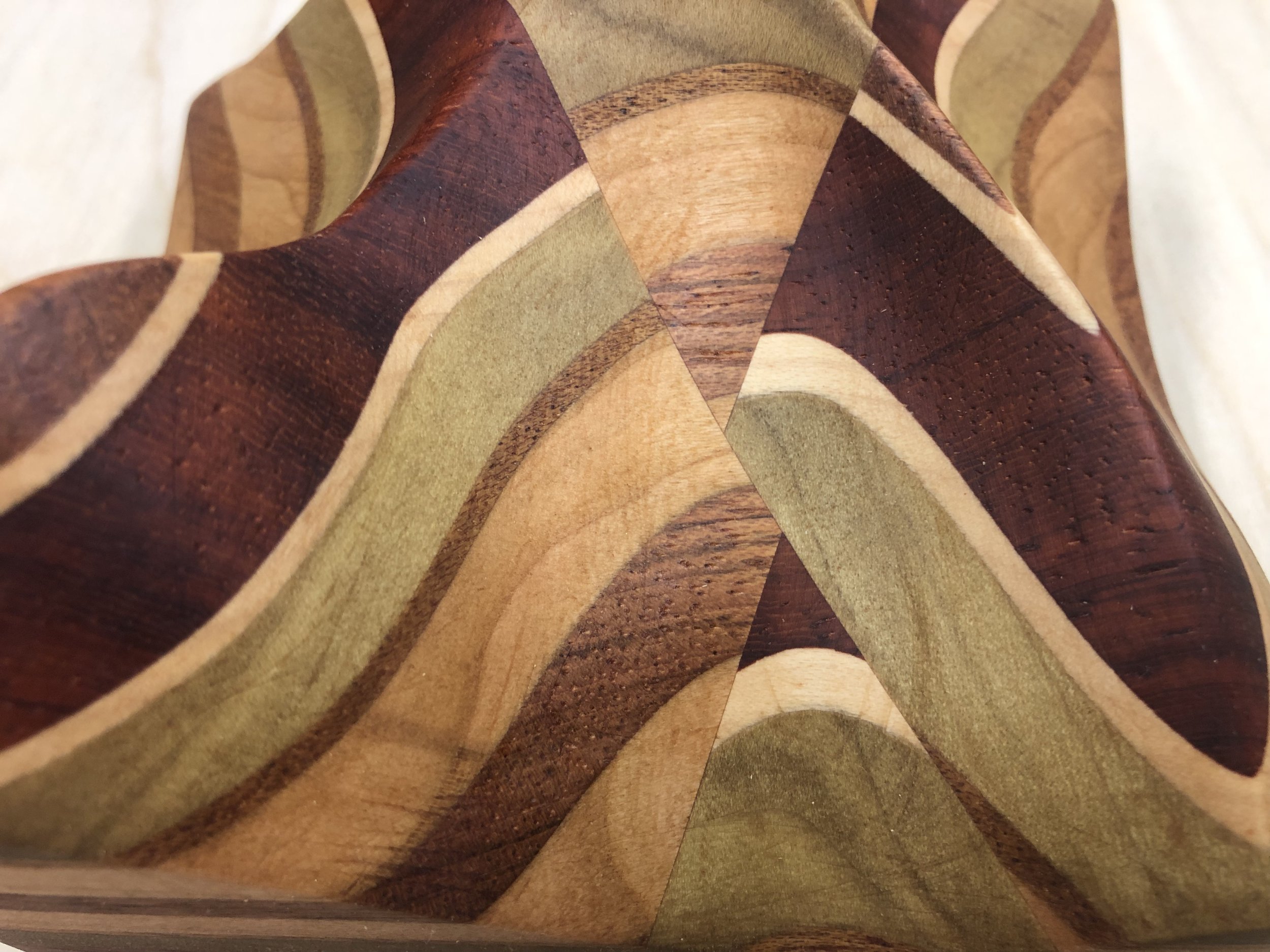
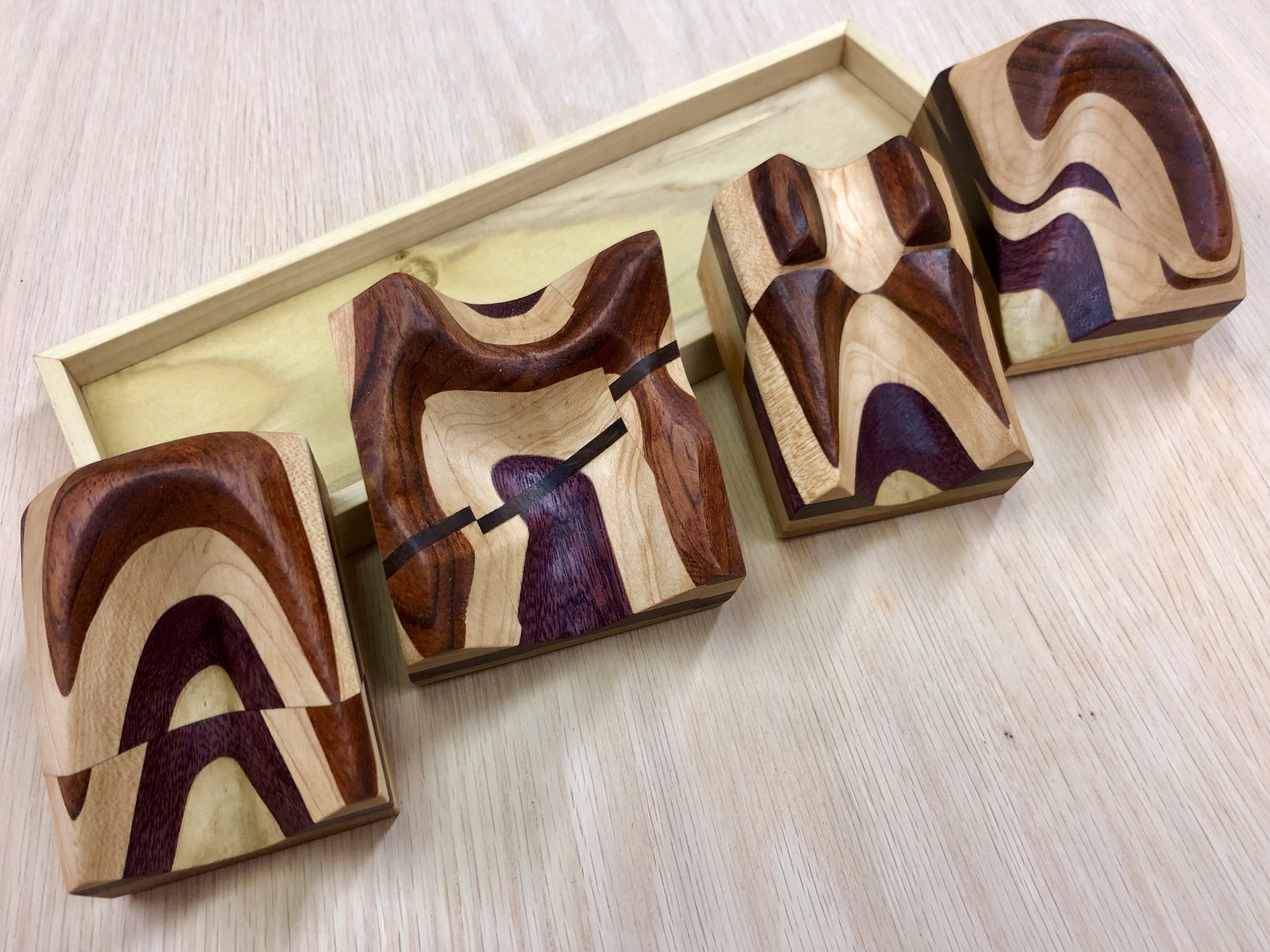
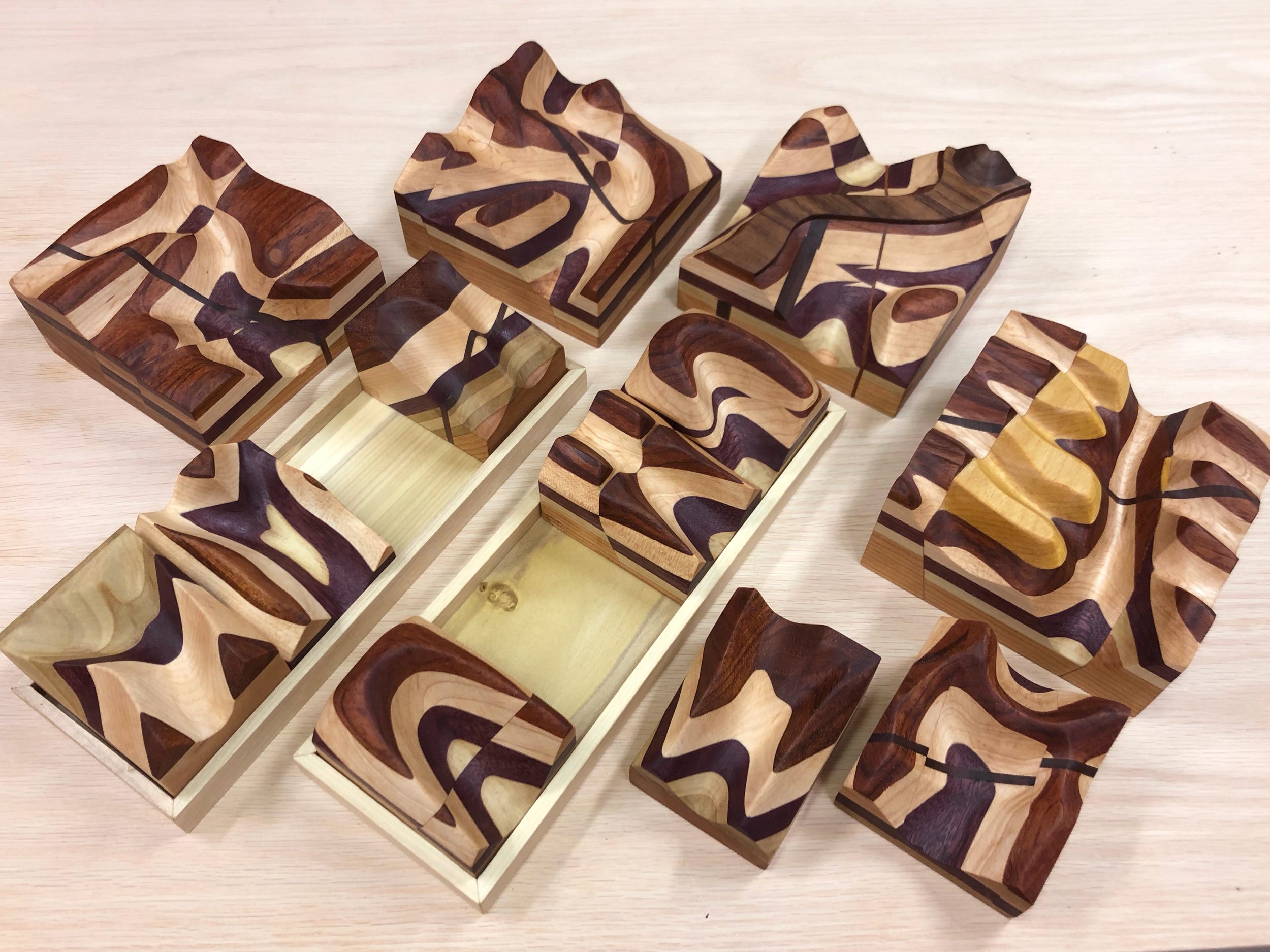
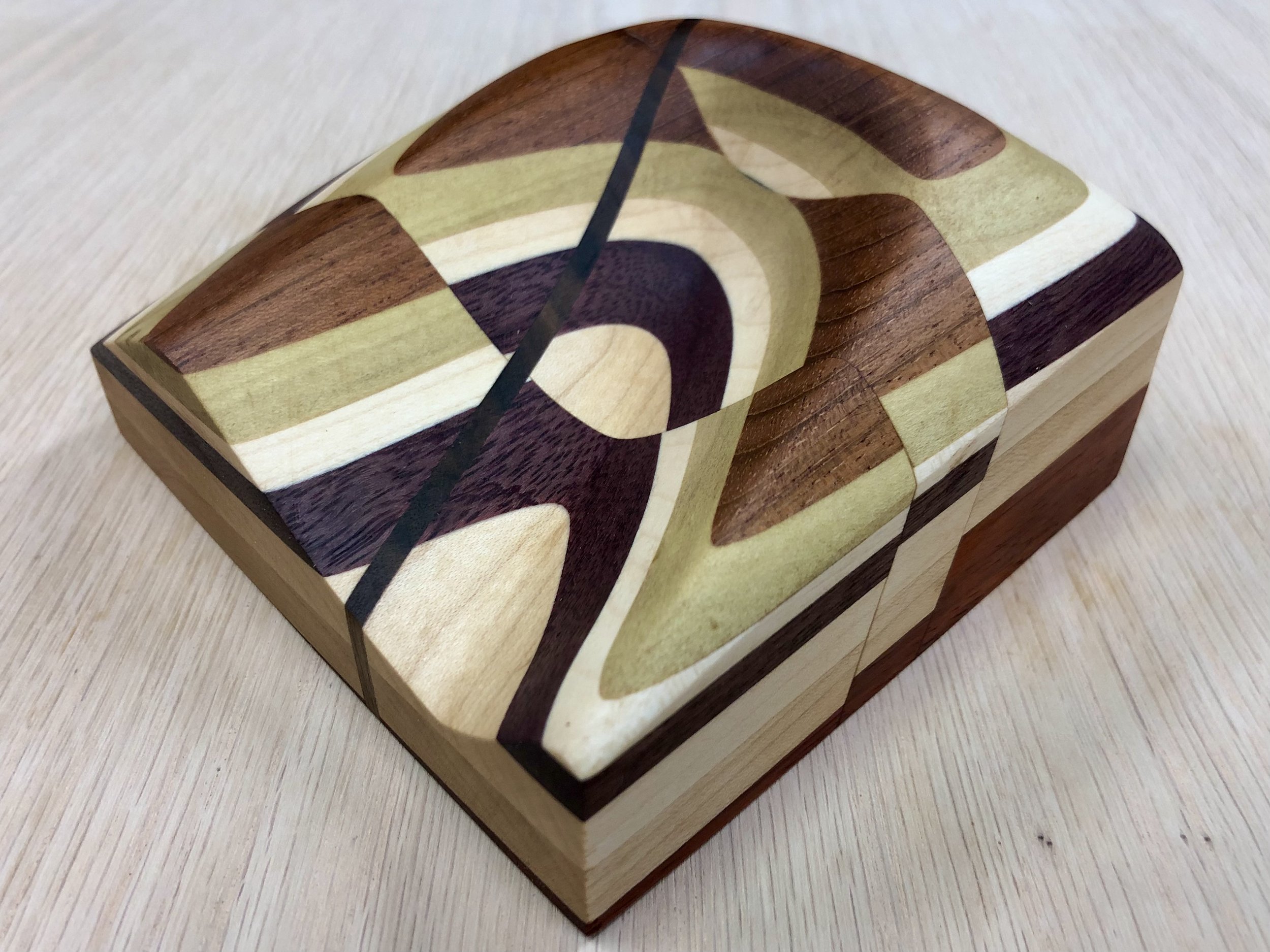
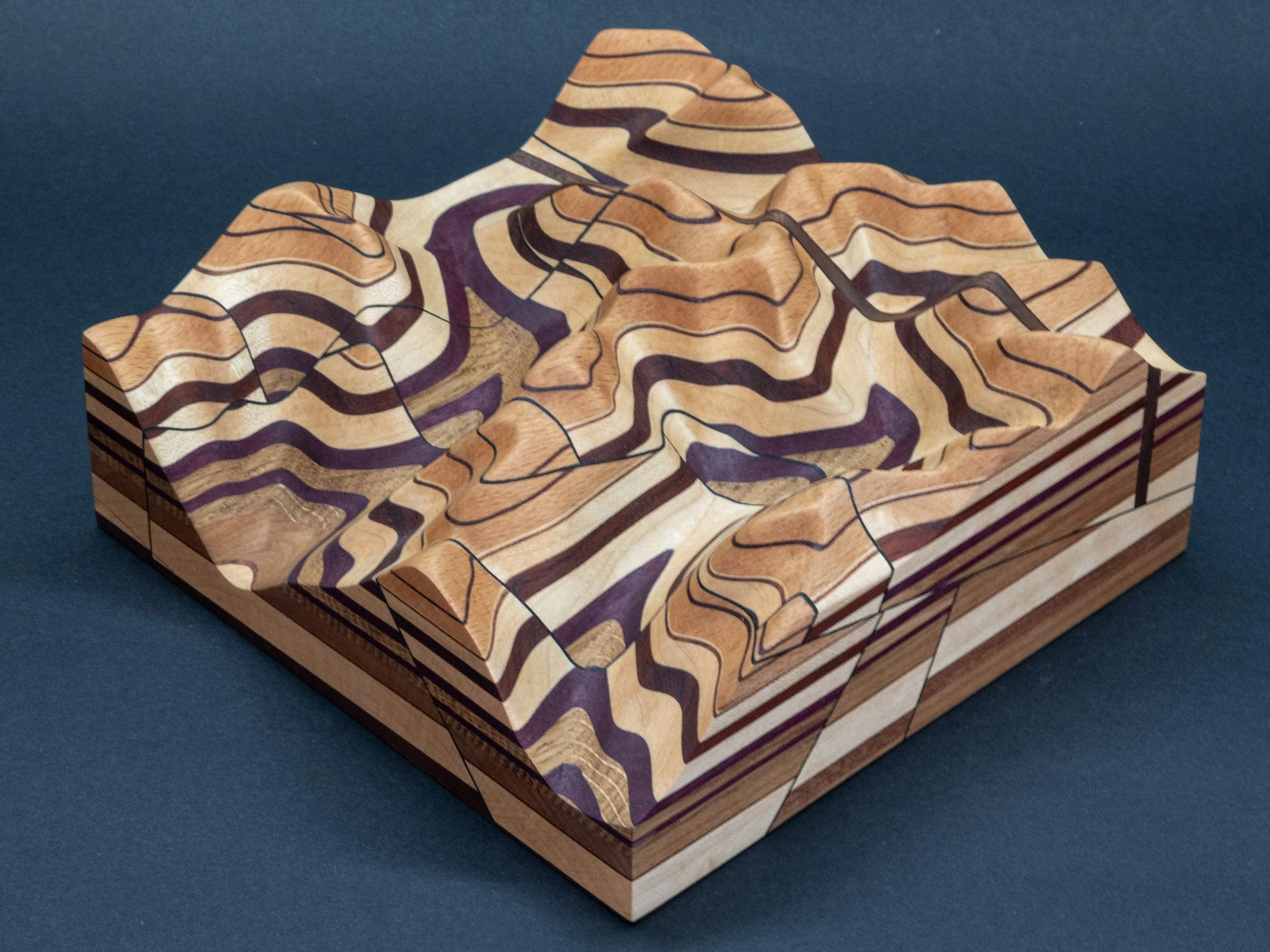
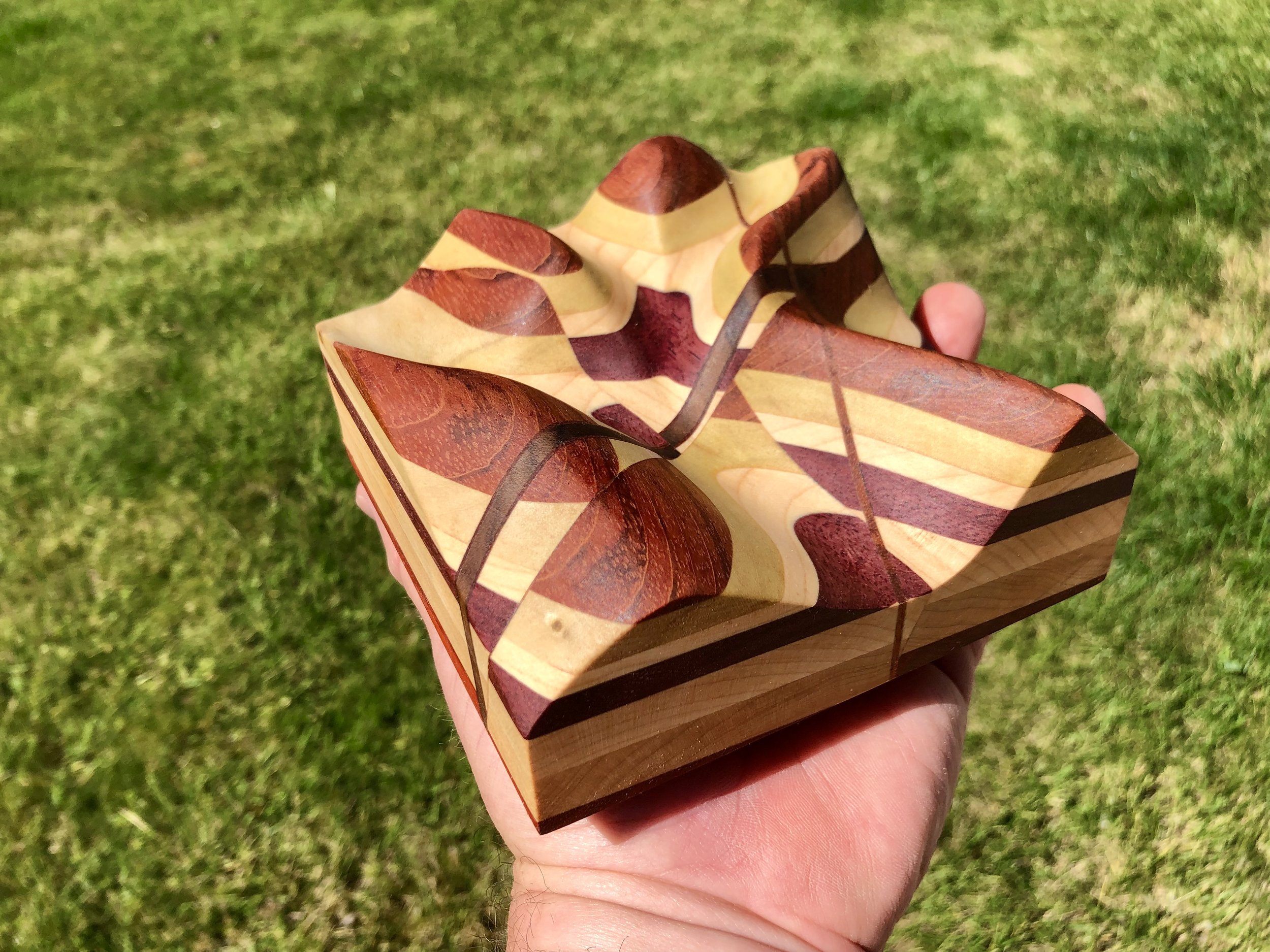
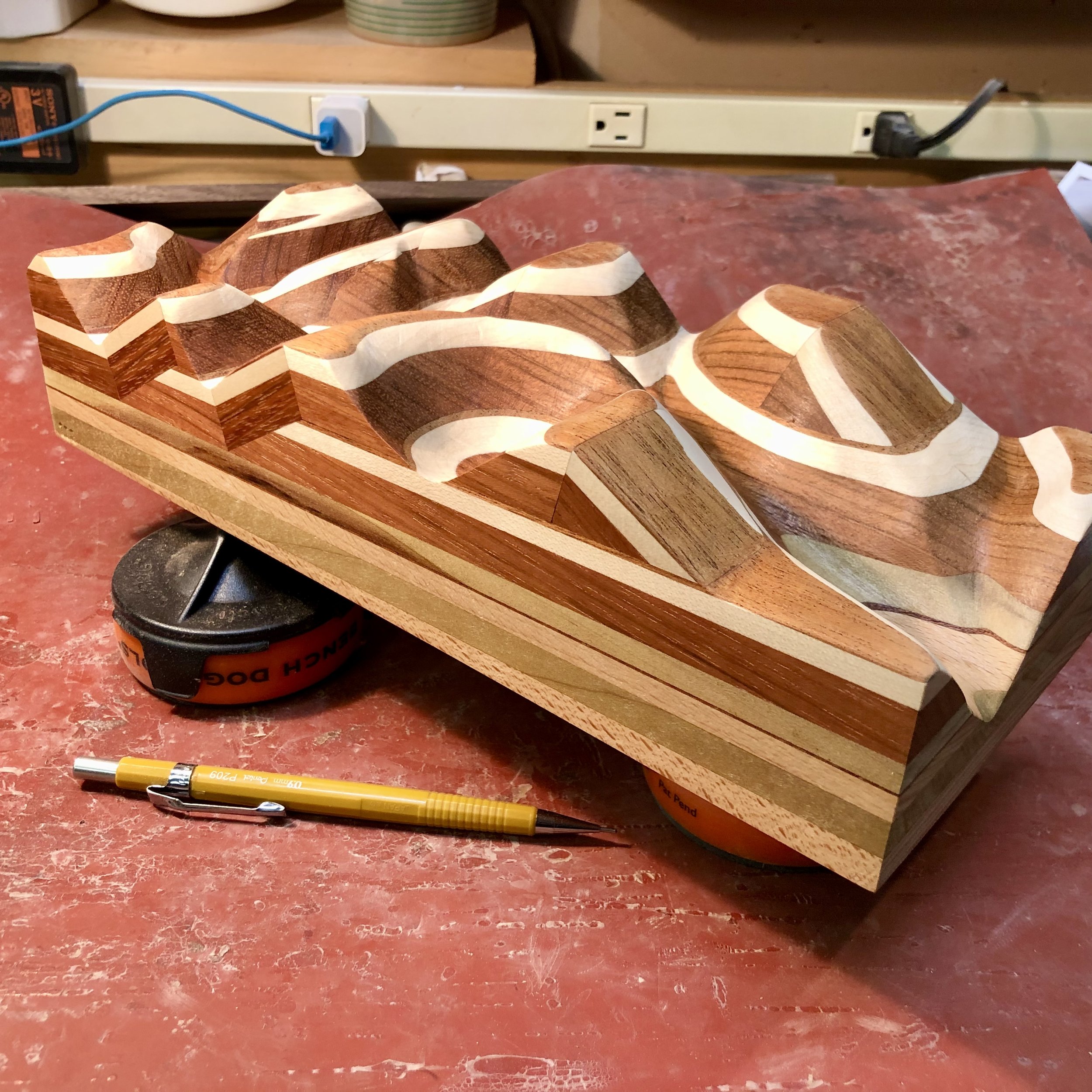
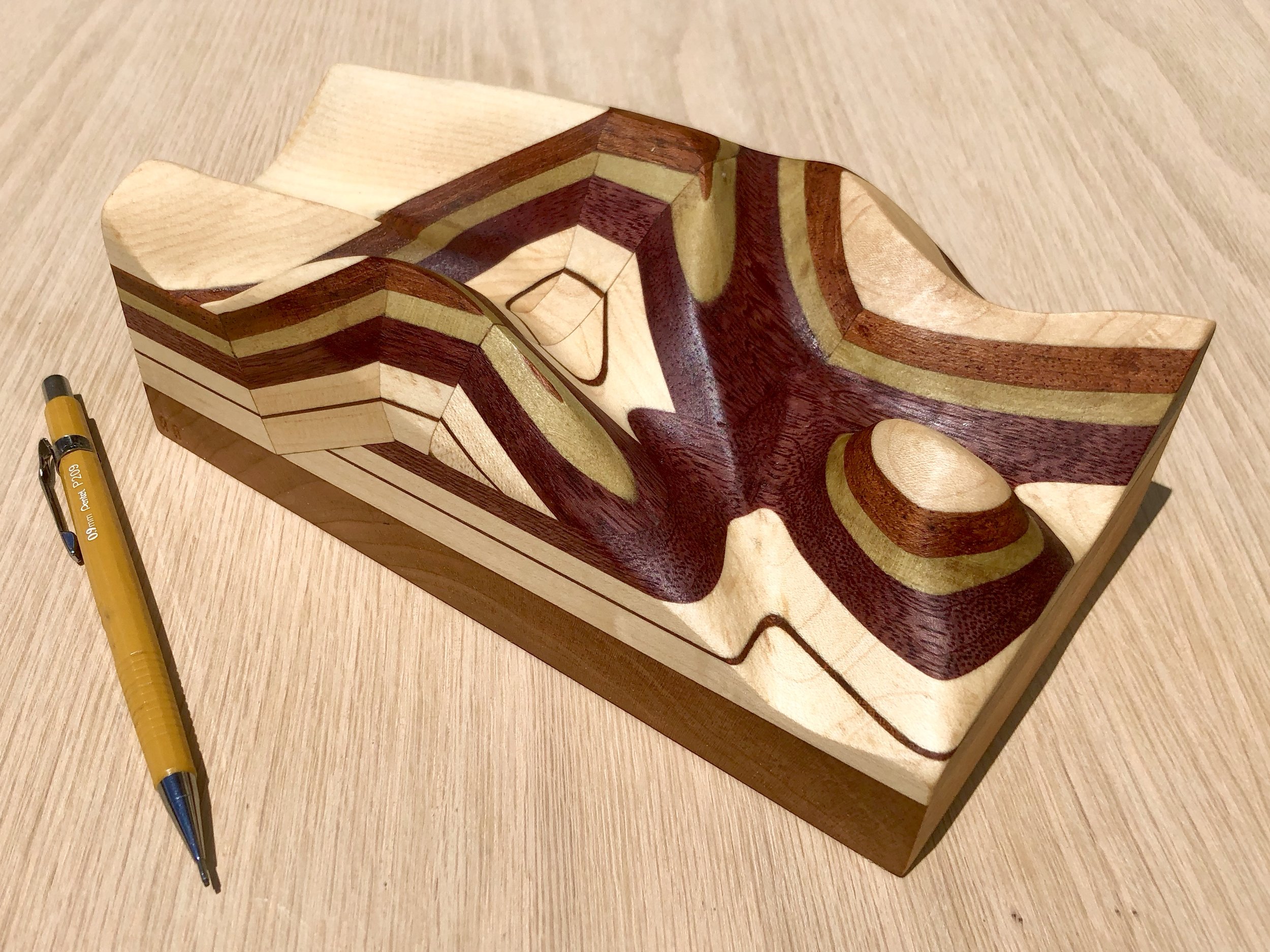
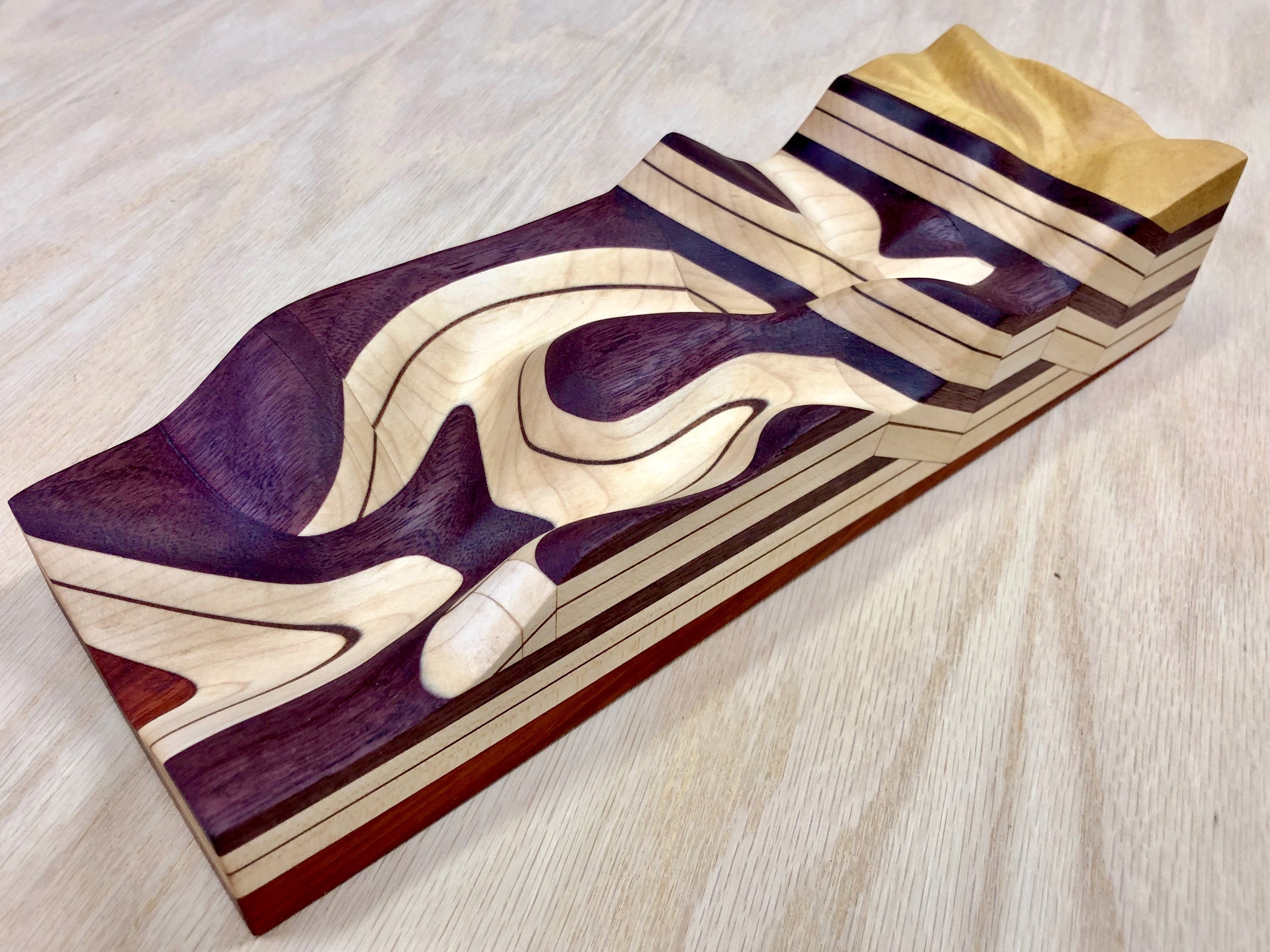
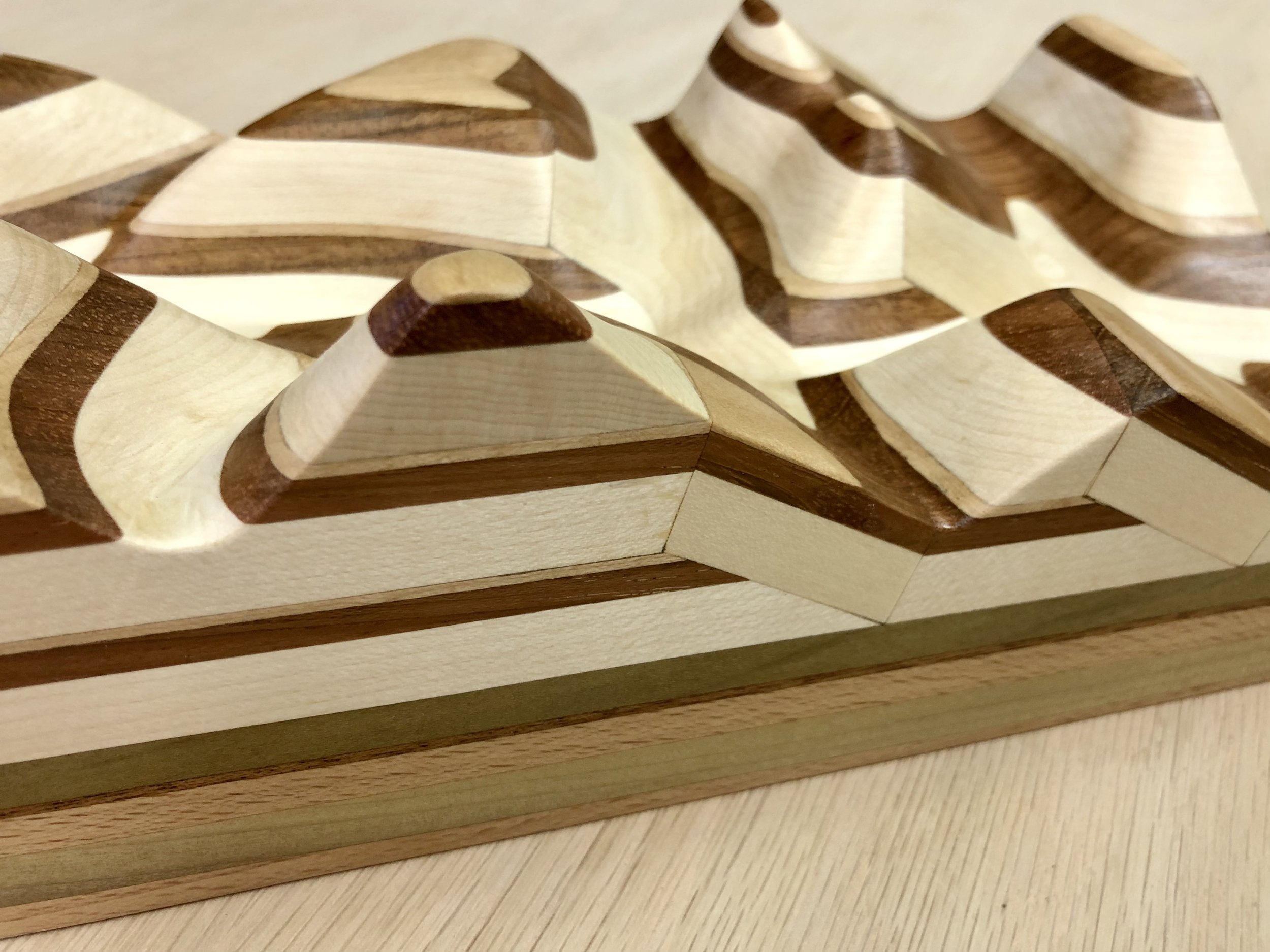
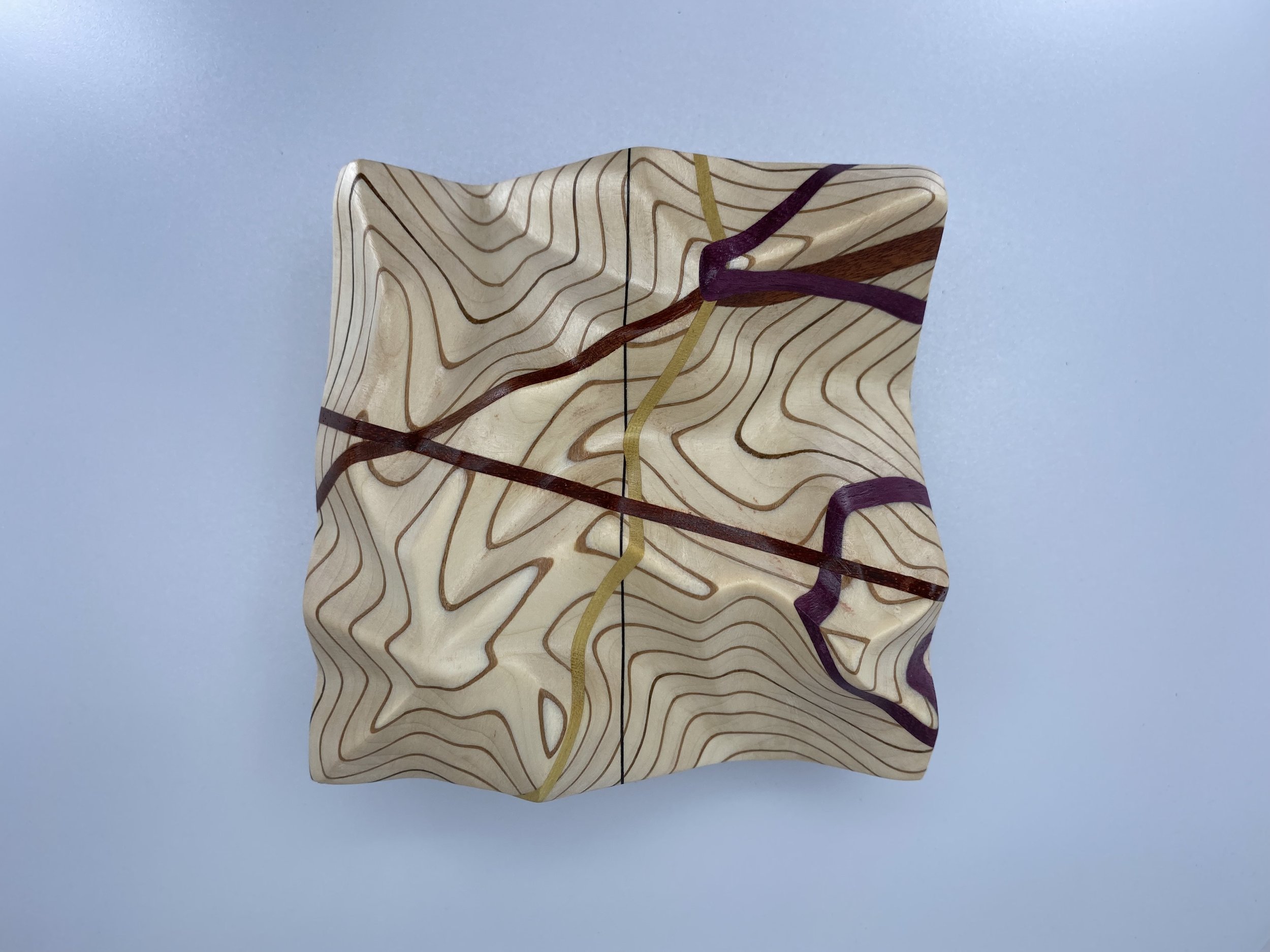
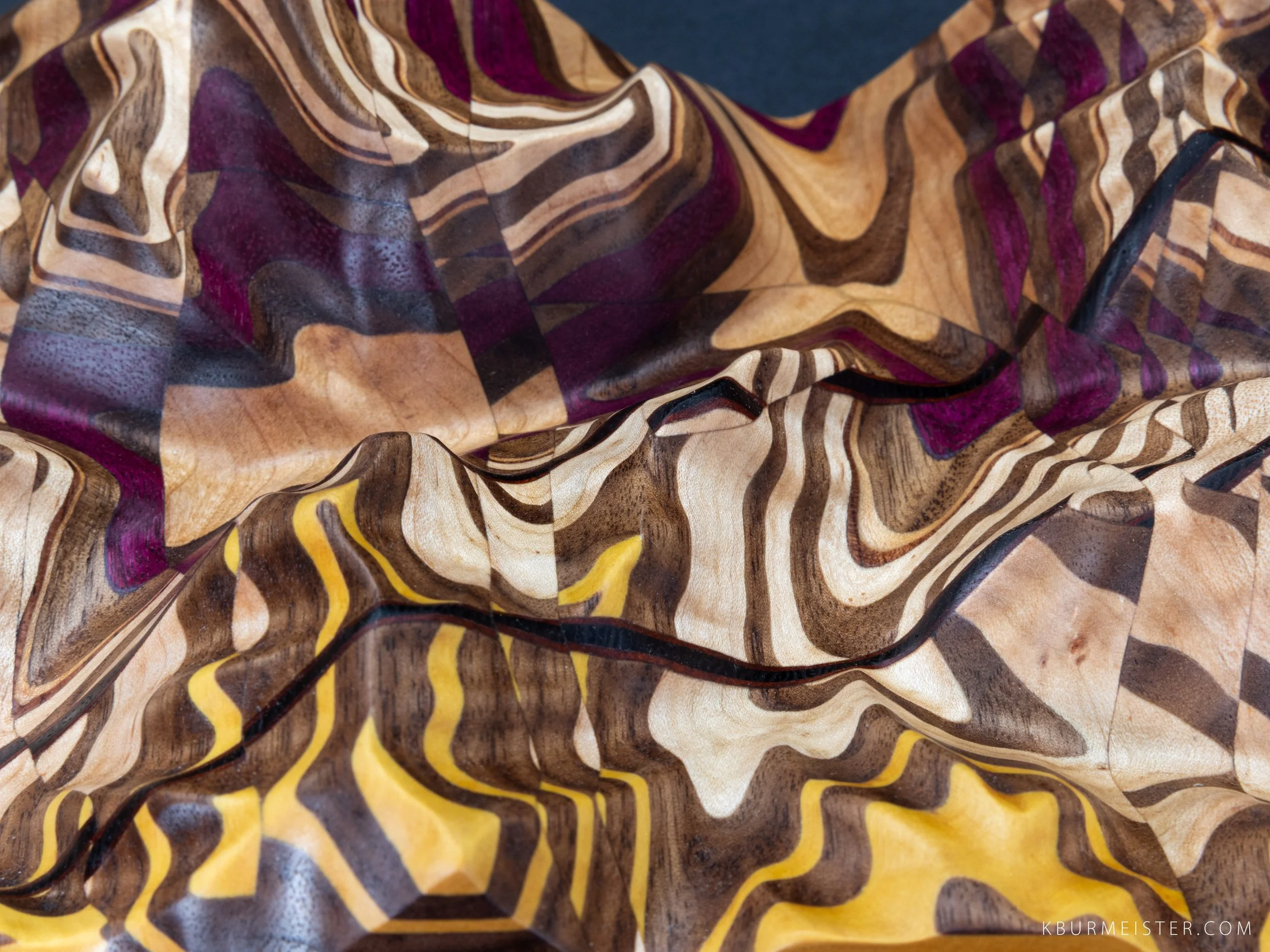
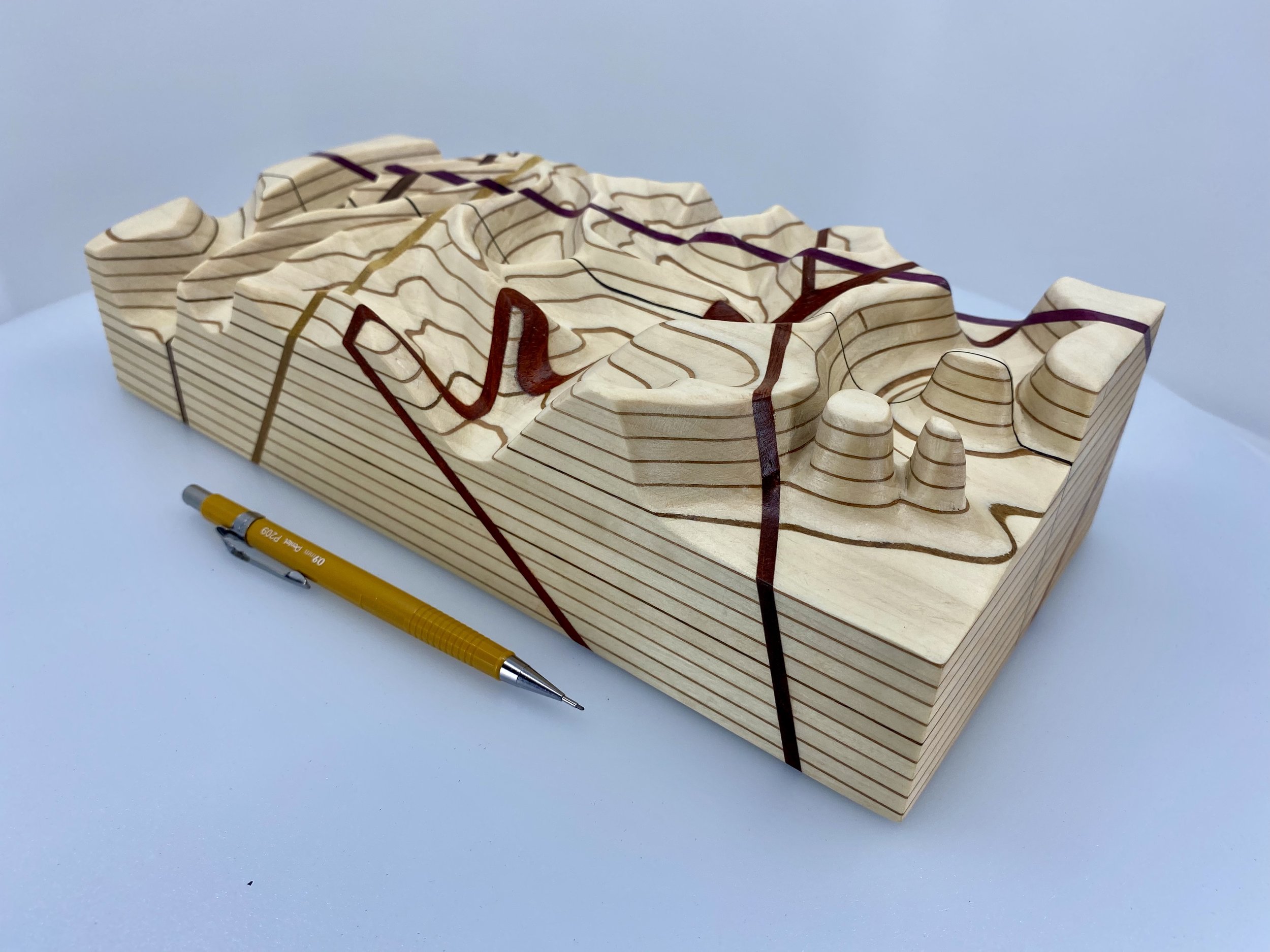
Many learners struggle to visualize how geologic surfaces interact in three dimensions. The struggle is real—but the rewards are immense. Developing the ability to see the complex, 3D relationships among planar features (like bedding, faults, and tabular intrusions) and curviplanar topographic surfaces (valleys and ridges) is an essential skill in any geologist’s toolkit.
In the carefree days before the pandemic, my Structural Geology students at the University of the Pacific (Go Tigers!) and I searched for tactile tools to help develop these spatial skills. Among the few we found, the stunning wooden geologic models designed by Thomas Sopwith (1803–1879) stood out above all others.
A geologist, surveyor, and mining engineer—and a master cabinetmaker—Sopwith combined his eye for geology with his craftsmanship in hardwoods, veneers, and glues to create models meant to be handled, rotated, lifted, and translated by generations of learners. His models continue to be admired both for their beauty and clarity.
Encouraged by my students, I began making simple wooden models in my garage workshop—pieces designed to address common conceptual hurdles such as the rule of Vs, cross-cutting relationships, and faults. My students found them helpful, and word soon spread.
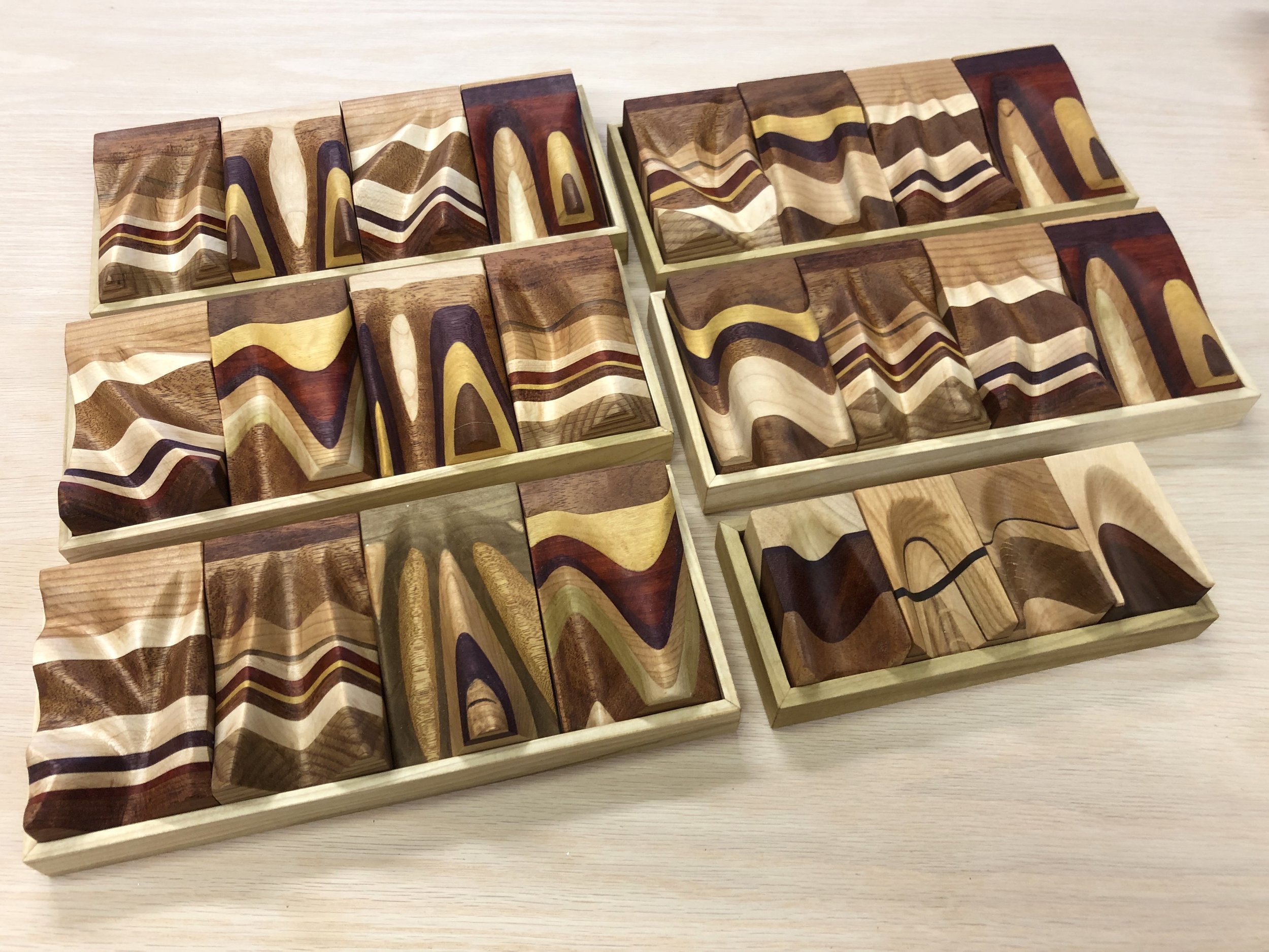
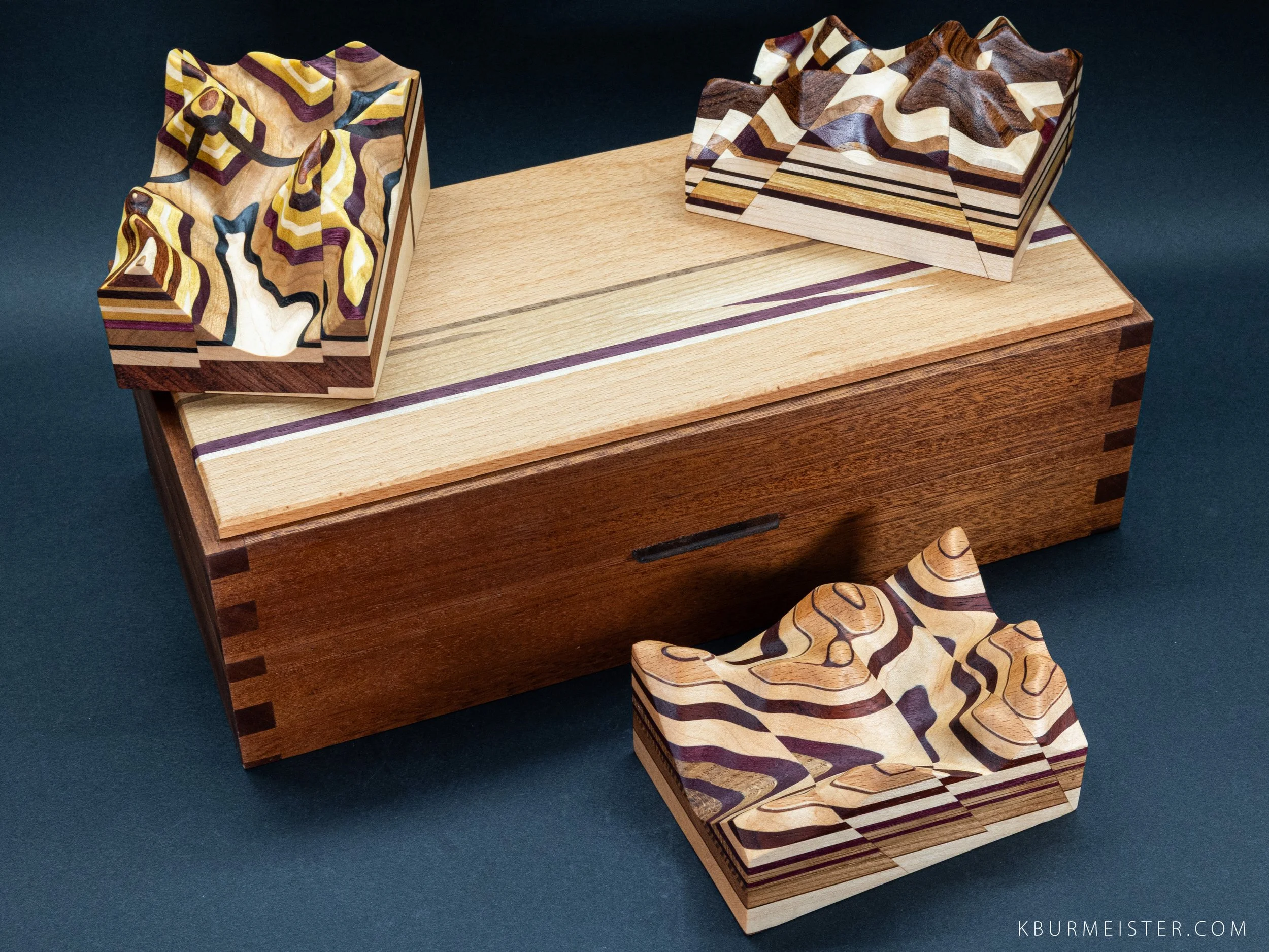
More than a hundred models later, I still craft each one by hand. I’m always learning, experimenting with new materials, and refining my techniques. Today, my models are part of teaching collections at institutions including the University of Illinois, Utrecht University, SUNY Geneseo, the University of Wisconsin, Hamilton College, and Michigan State University. When not being used in a classroom, these conversation-starting geologic models are beautiful additions to desks or bookshelves and make wonderful gifts for lovers of science, geology, and the Earth.
Please visit the shop: BurmeisterLab on Etsy
Wooden Geologic Models
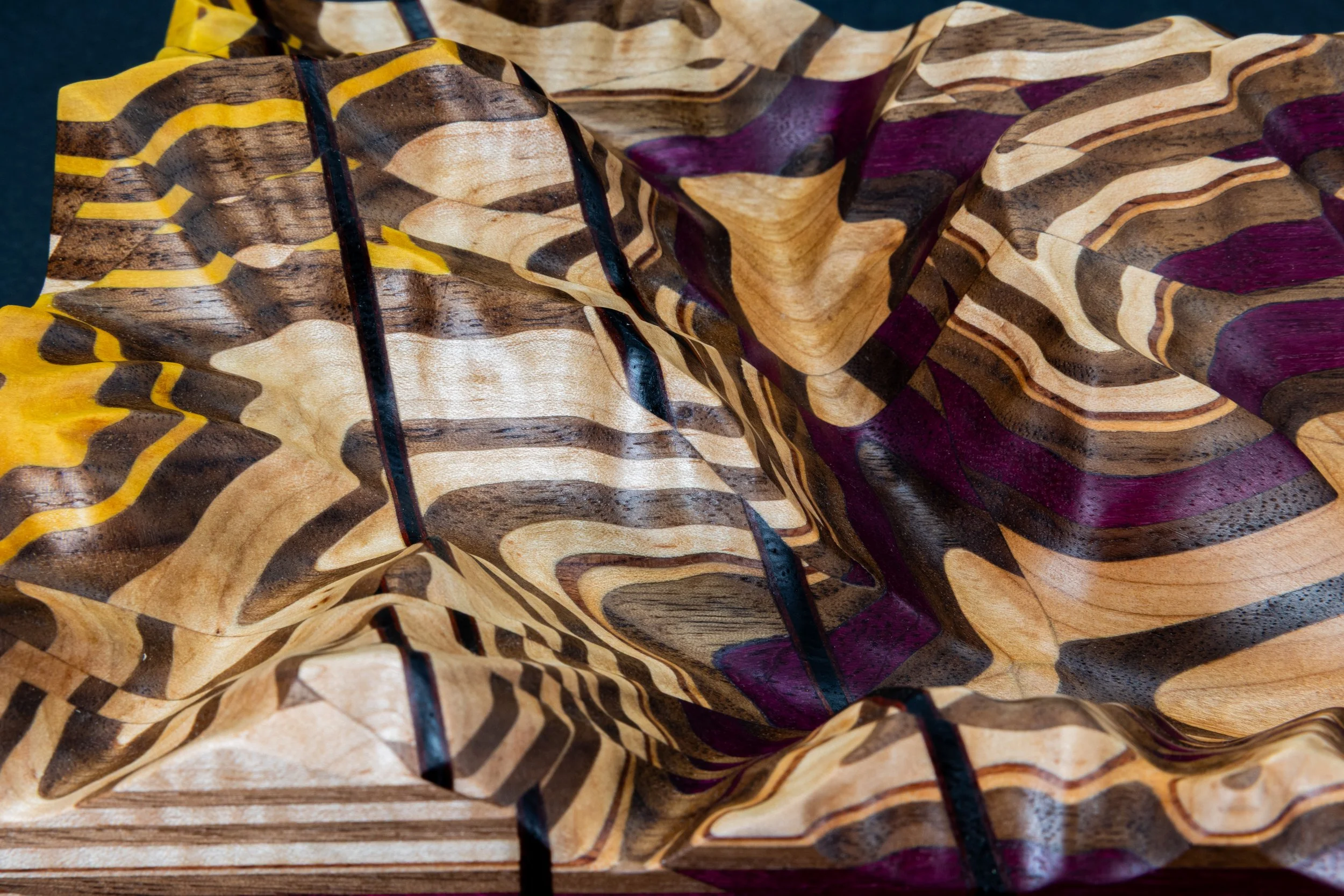
Portfolio of Geologic Models
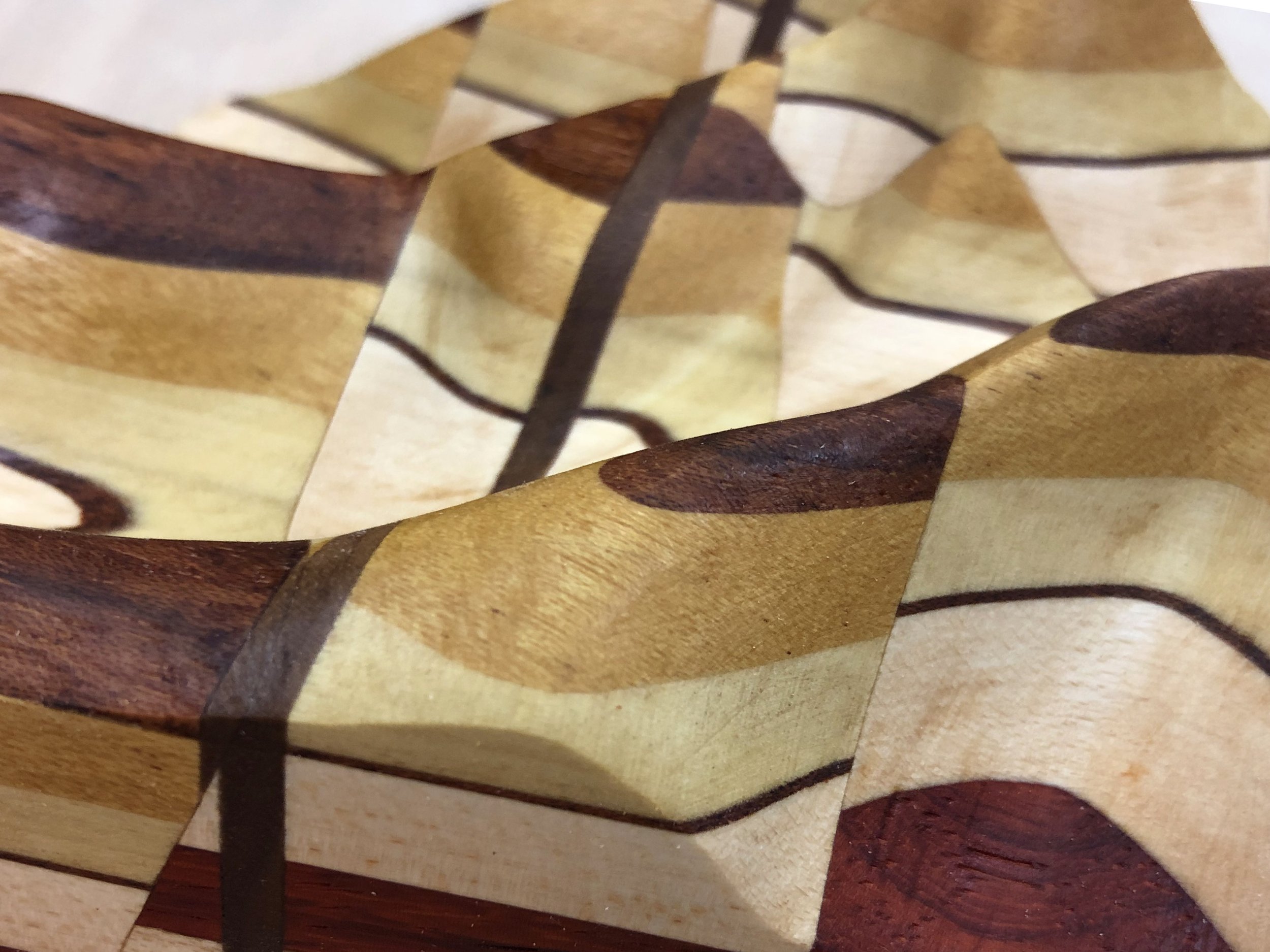
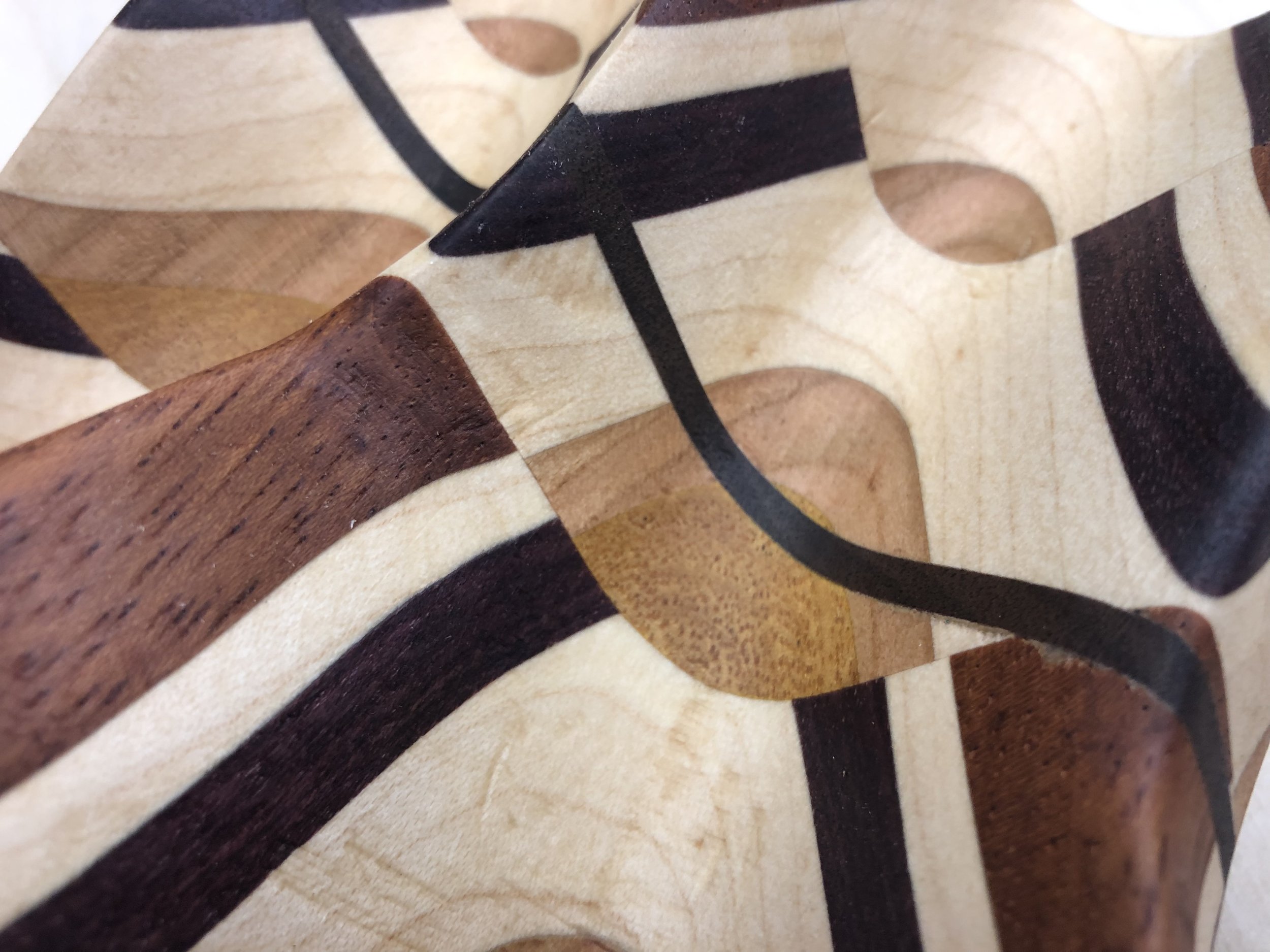
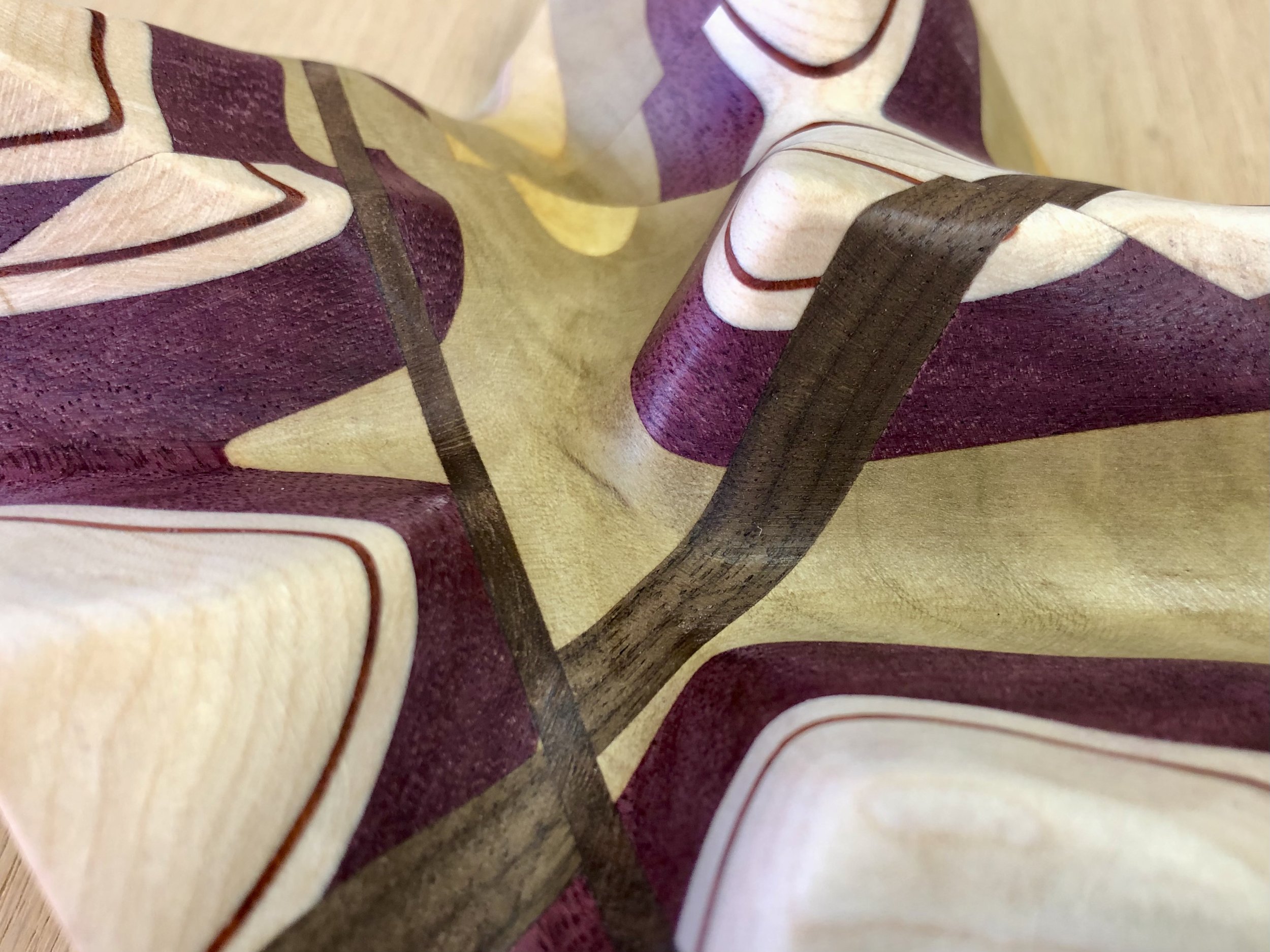
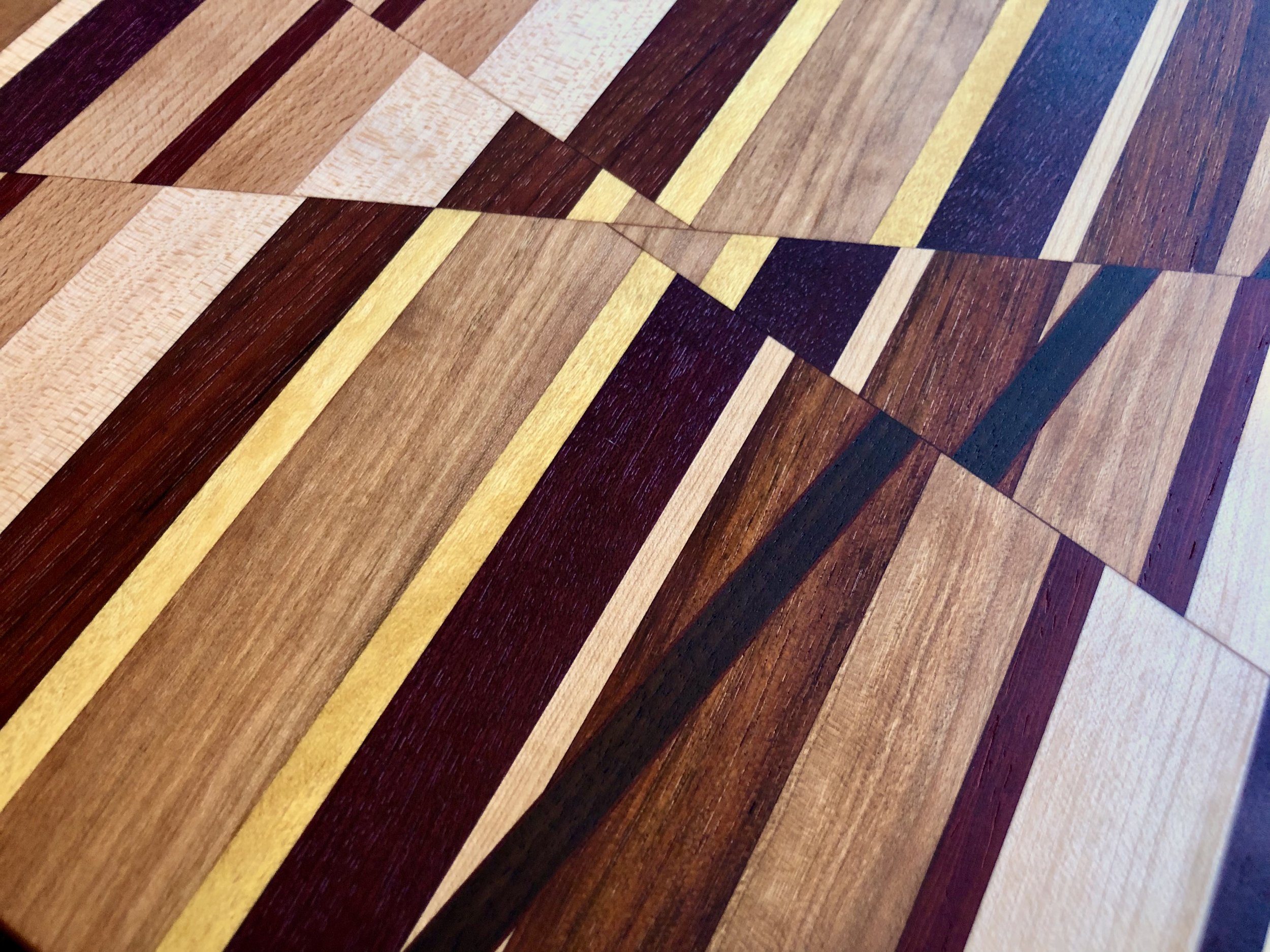
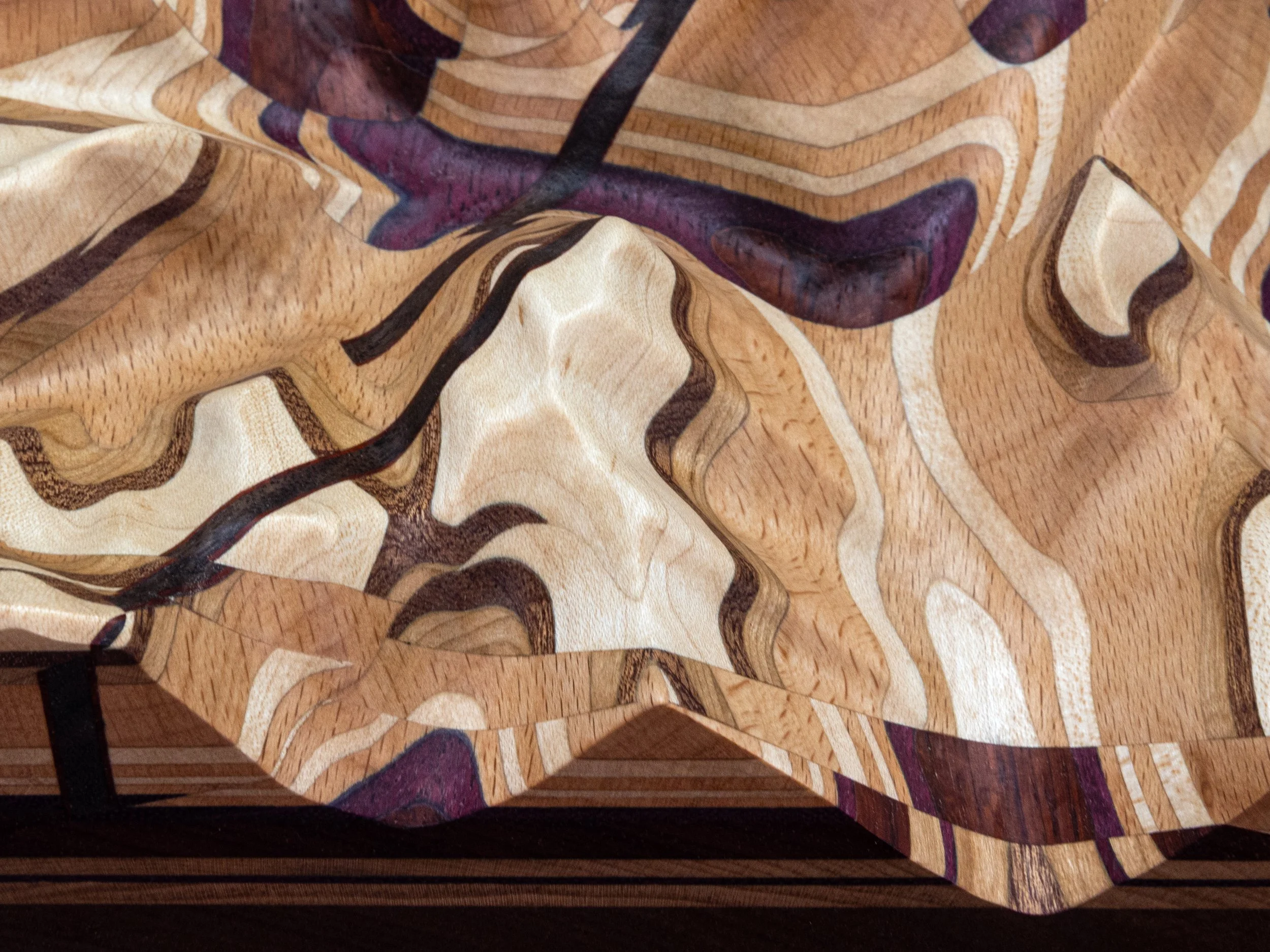
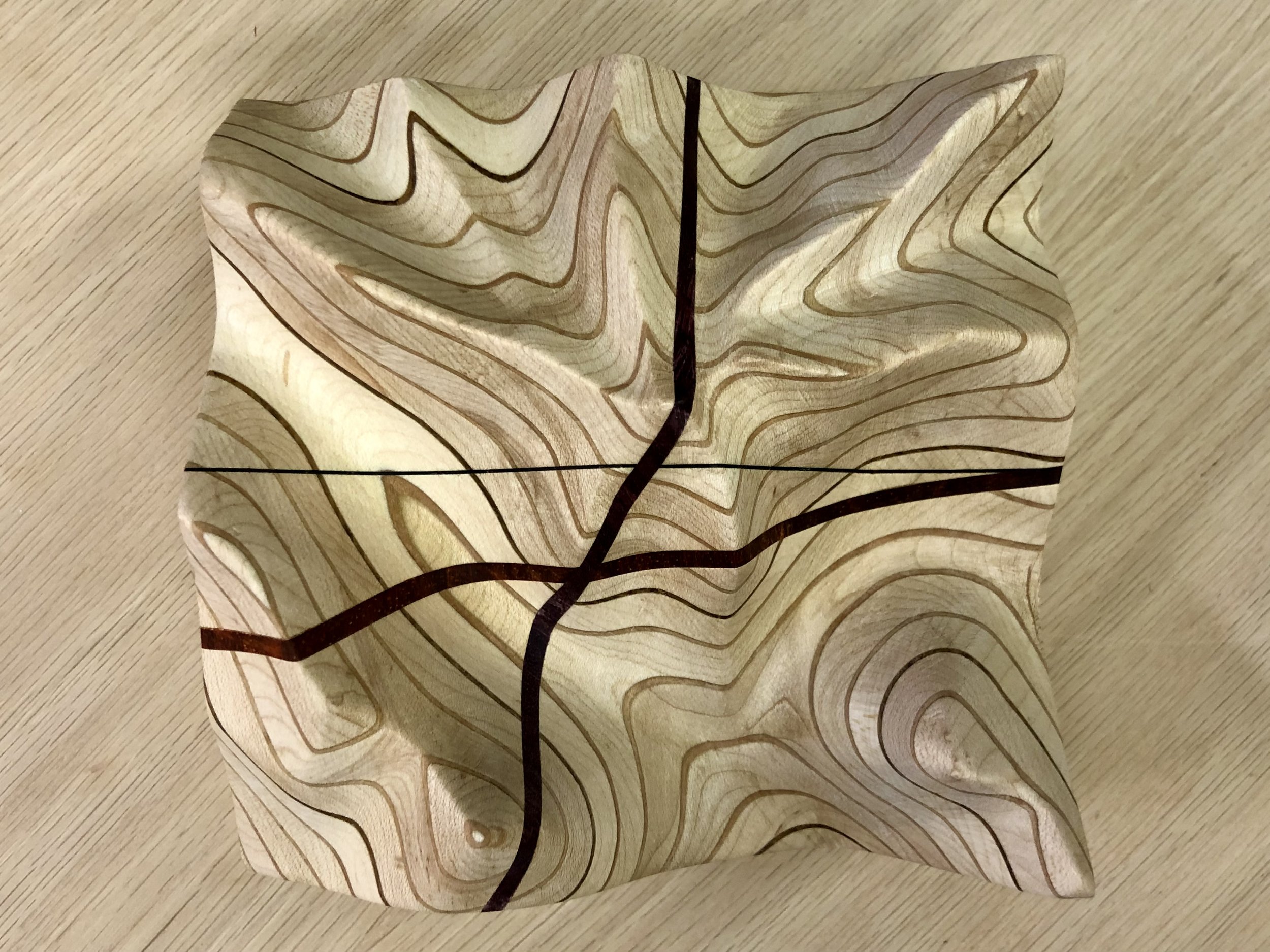
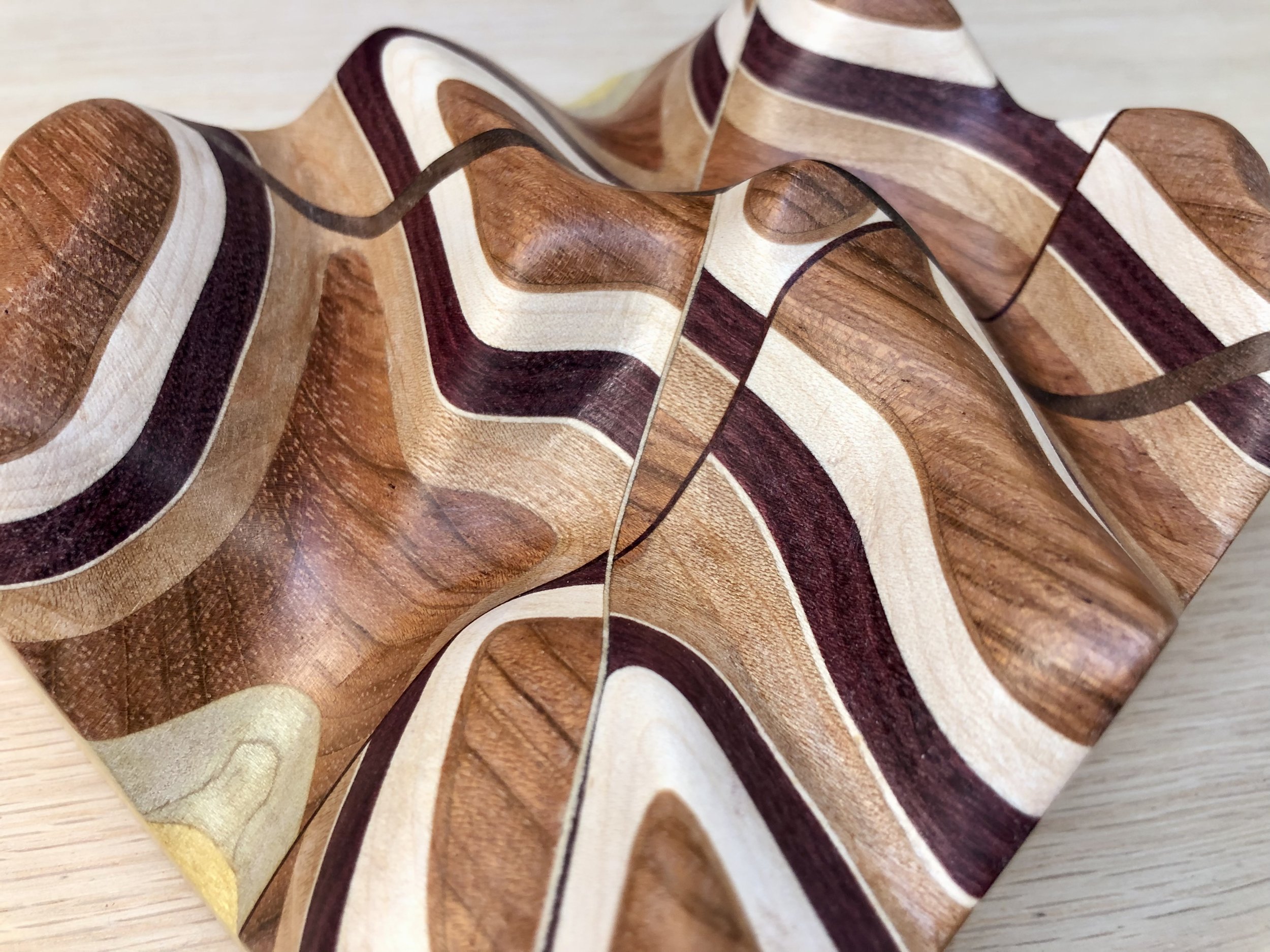
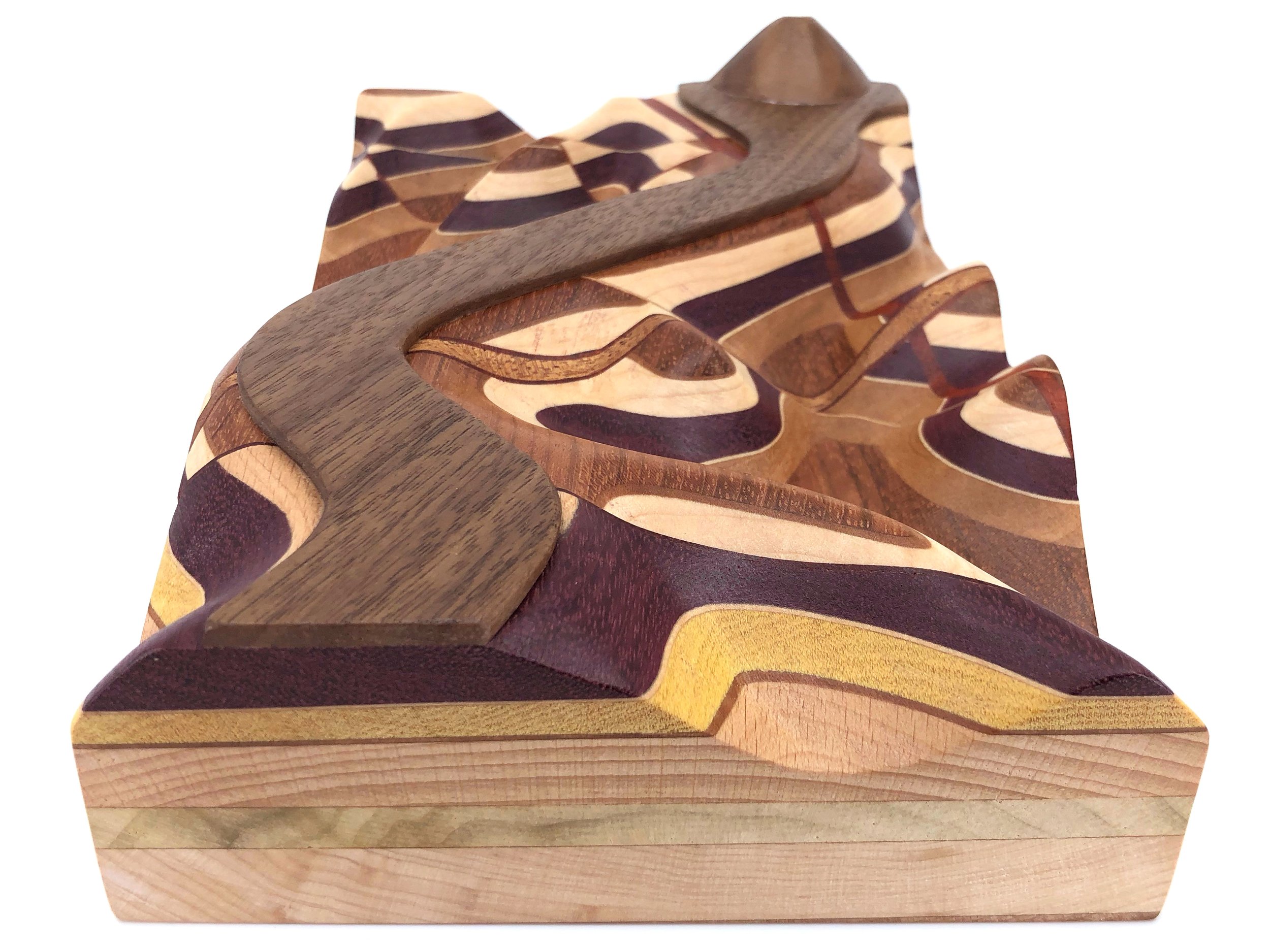
Each geologic model is handcrafted from select, contrasting hardwoods that are laminated together into beautiful stratigraphic sequences. I then cut, offset, and rejoin these sequences into compelling arrays of cross-cutting relationships. Finally, I hand carve the topography of each piece using handsaws, chisels, and Dremel-like rotary tools. I do not use computer numerical control (CNC) routers as part of my creative process.